Core Research Themes
TOMBio conducts research across interconnected themes, supported by cross-cutting molecular and translational biosciences. Individual projects may concentrate within one theme or connect scientific questions across several.
Non-Communicable Diseases and Metabolic Health
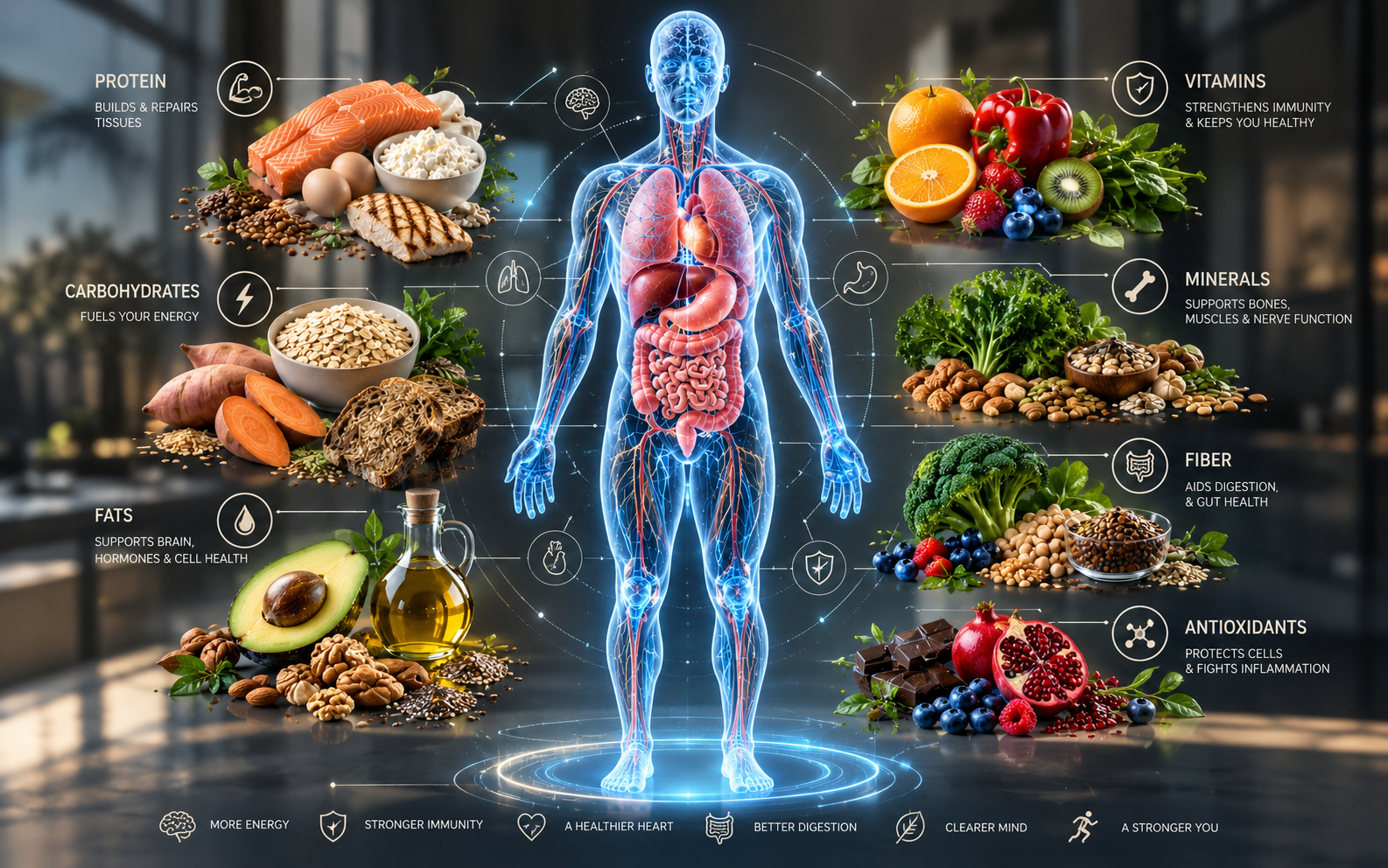
This theme investigates biological, nutritional and population-level determinants of non-communicable diseases, with particular attention to metabolic disorders relevant to African populations. Research connects molecular and biomarker-based approaches with clinical, dietary and community-level determinants of health.
Priority research areas:
Metabolic health, nutrition and chronic disease: investigating relationships among diet, obesity, diabetes, cardiovascular risk and related metabolic disorders across different African populations and settings.
Biomarkers, inflammation and disease risk: identifying and evaluating molecular, immunological and metabolic biomarkers associated with disease susceptibility, early detection and progression.
Microbiome-metabolism interactions: examining how diet, gut microbial communities and microbial metabolites contribute to metabolic health and NCD risk.
Food Systems, Microbiomes and Health
This theme investigates biological and microbial processes across traditional and contemporary African food systems, including fermentation, food safety, indigenous foods and locally adapted food practices, and examines how these influence nutritional quality, microbial diversity and human health. Particular attention is given to place-based knowledge and innovation, recognizing that indigenous food practices, locally adapted crops, fermentation systems and preservation methods are shaped by specific ecological, cultural and socioeconomic contexts.
Priority research areas:
Indigenous foods, fermentation and microbial ecology: investigating microbial diversity, microbial interactions, adaptation and functional properties within fermented foods, indigenous vegetables and other traditional African food systems, while examining how place-based knowledge shapes food production and processing practices.
Food safety, quality and sustainable processing: examining microbial contamination, preservation, processing and storage practices, and developing locally relevant innovations that improve food safety, nutritional quality and resilience while building on established community knowledge and practices.
Food-microbiome-health interactions: investigating relationships among traditional foods, dietary patterns, food-associated microorganisms, gut microbiomes, nutrition and metabolic health, with attention to how local food environments and dietary practices influence these relationships.
Traditional African foods serve as valuable real-world systems for integrating place-based knowledge with molecular, microbial and nutritional science, enabling locally grounded innovation in food safety, nutrition, sustainable processing and resilient food systems.

Community Health and Primary Healthcare Systems
This theme investigates how community and primary healthcare systems influence disease prevention, early detection, access to care, continuity of care and health outcomes. Particular attention is given to how service-delivery structures, community-level interventions, policy environments and health-system capacity respond to changing population health needs, including the growing burden of non-communicable diseases.
Priority research areas:
Community and primary healthcare systems: examining how community health workers, primary healthcare structures, referral pathways, service-delivery models and community-facility relationships influence access, quality, continuity of care and health outcomes.
Community-based prevention and management of chronic disease: developing and evaluating approaches for health promotion, risk assessment, screening, early detection, referral and long-term management of NCDs and other priority health conditions within community and primary healthcare settings.
Health systems, policy, implementation and modelling: examining policy environments, governance and health-system constraints, and applying implementation research, stakeholder engagement, systems thinking and modelling approaches to identify bottlenecks, leverage points and evidence for policy, planning and resource-allocation decisions.
The theme connects population health needs with the organization, governance and delivery of healthcare, providing a pathway through which findings from molecular, nutritional and epidemiological research can inform interventions, service delivery and health-system decision-making.

Cross-Cutting Molecular and Translational Biosciences Platform
Molecular and translational biosciences provide the methodological foundation linking the three research themes rather than functioning as a separate disease area.
Depending on individual research questions, TOMBio integrates approaches across:
Molecular and cellular biosciences – molecular biology, genetics, cell-based systems and biomarker analysis.
Microbiology and microbial ecology – culture-based methods, microbial community analysis and sequencing.
Immunobiology and molecular phenotyping – inflammatory profiling, serology, protein analysis and related biomarkers.
Omics, bioinformatics and data analysis – sequencing, metabolomics, bioinformatics and integrated data analysis.
Population and systems research – epidemiology, biostatistics, qualitative and mixed-methods research, implementation research, systems thinking and modelling.
TOMBio does not initially seek to reproduce all specialist laboratory infrastructure within a host institution. Instead, it will operate through a collaborative and distributed research model, combining locally available infrastructure with specialized national and international platforms where appropriate.